Resources
Worth your time
A running list of the books, blogs, articles, and videos that have shaped how I think about AI and product — chosen because each one taught me something I still use.
Books
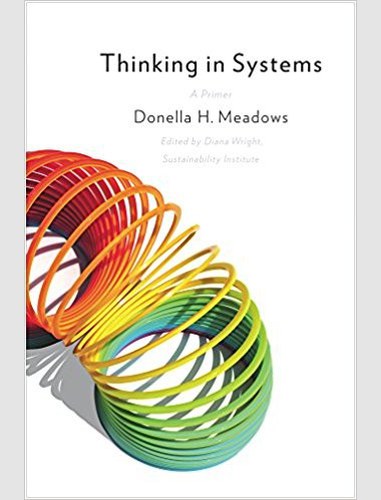 Thinking in Systems: A Primer (opens in a new tab)Donella H. MeadowsStocks, flows, and feedback loops, explained by the person who taught a generation to see them. Every enterprise AI program I have run behaved like a system with delays in it, and this is the book that explains why pushing harder on the input so often makes the output worse.
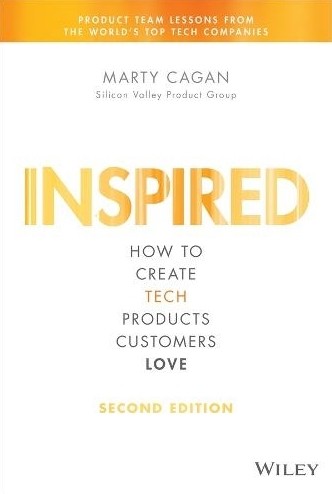 Inspired: How to Create Tech Products Customers Love (opens in a new tab)Marty CaganHow strong product teams figure out what to build before they build it, from the person who coined most of the vocabulary they use to do it. I still hand this to every new product manager I work with.
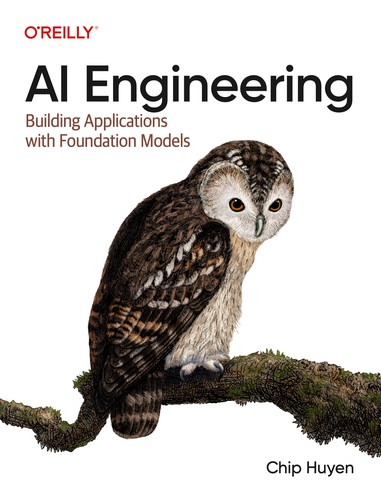 AI Engineering: Building Applications with Foundation Models (opens in a new tab)Chip HuyenThe whole job of building on foundation models, including the parts the vendor decks leave out, which is mostly evaluation and mostly cost. When a team asks me whether an idea is buildable, this is where I check first.
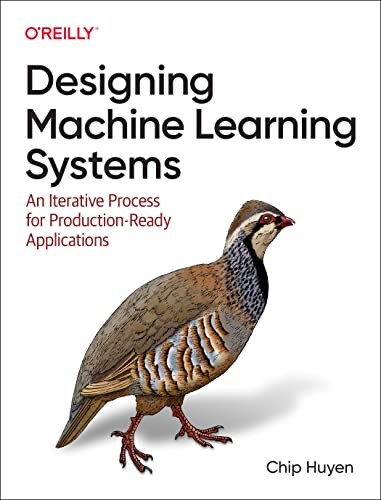 Designing Machine Learning Systems: An Iterative Process for Production-Ready Applications (opens in a new tab)Chip HuyenMost ML projects fail after the model works, and this book is about that part: the monitoring and the feedback loops that keep a system honest once real users touch it. It came out before AI Engineering and is still the better book on running what you ship.
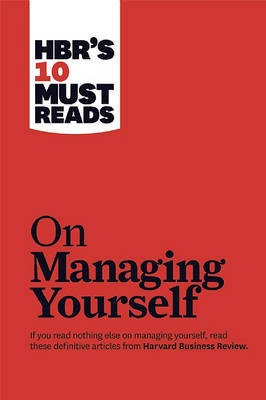 HBR's 10 Must Reads on Managing Yourself (opens in a new tab)Harvard Business Review, with Peter Drucker and Clayton ChristensenDrucker's "Managing Oneself" is worth the price by itself. Know what you are good at, how you learn, and where you belong, and most career questions answer themselves. The rest of the collection is about what leadership costs and how to pay for it on purpose.
Blogs
 AI/MLbling About (opens in a new tab)Alex GraberAlex is an AI/ML engineer who writes up what he learns while building production systems, so the LLM posts come with numbers and the paper roundups come with opinions. Check out the AI Treadmill for the latest in AI.
 Lenny's Newsletter (opens in a new tab)Lenny RachitskyDeeply researched advice on building and growing products, drawn from interviews with the people who did the work. If product management has a shared curriculum, this is it.
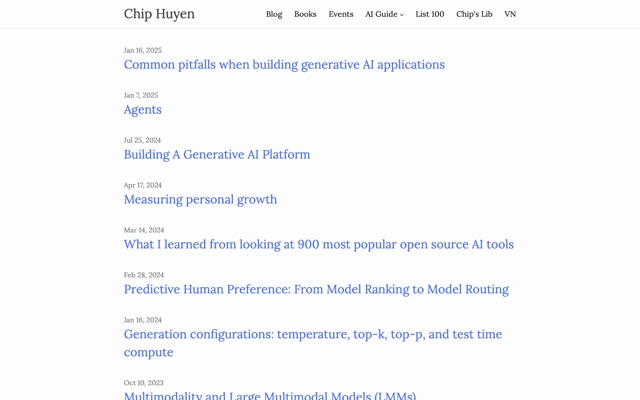 Chip Huyen's Blog (opens in a new tab)Chip HuyenLong essays on AI system design by the author of AI Engineering. She writes the way an engineer who has shipped at scale thinks, with the failure modes up front and the hype nowhere.
 SVPG Articles (opens in a new tab)Marty Cagan and the Silicon Valley Product Group partnersStrong opinions, loosely held, on how empowered product teams work in practice. This is the running commentary behind Inspired, and the first place I go when a product org starts drifting toward feature factory.
 Anthropic Research (opens in a new tab)AnthropicPrimary sources on interpretability and alignment from the lab doing the work. Read a few of these before deciding what to build on a frontier model; they change what you expect it to do.
 Stratechery (opens in a new tab)Ben ThompsonBen Thompson on the business of technology, one argument at a time. Aggregation Theory alone explains why platforms win, and his AI pieces are where I go to see whether that logic still holds.
Articles
 An Alien Mind (opens in a new tab)Jakub Pachocki, OpenAIOpenAI's chief scientist on the night he realized reasoning models would work, what he expects to follow, and why he thinks no one is prepared for it. Labs rarely write this candidly. Read it before you settle on a view of where this goes.
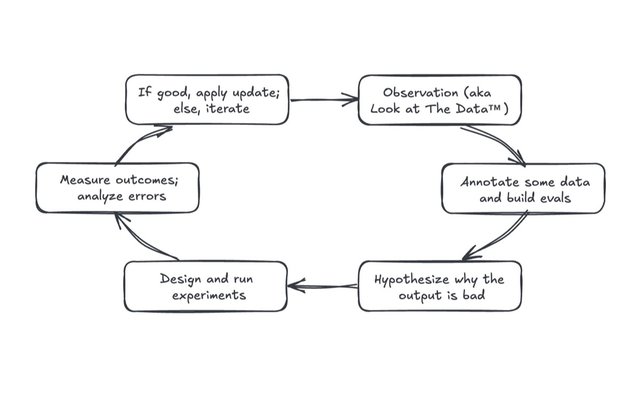 An LLM-as-Judge Won't Save the Product. Fixing Your Process Will (opens in a new tab)Eugene YanEvals are a practice, not a purchase. Look at the data, label what failed, form a hypothesis, test it, and watch the output after you ship. Five minutes long and the best argument I know for treating measurement as a product discipline.
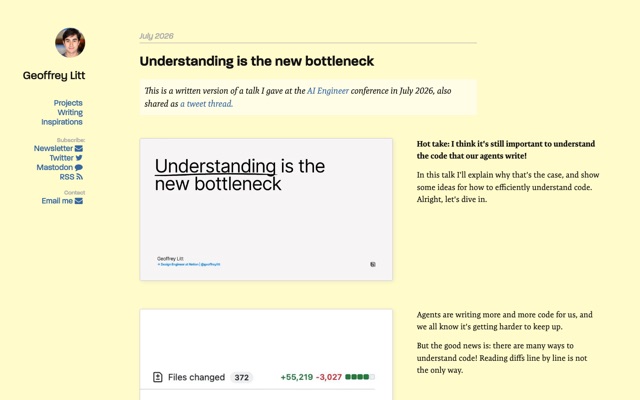 Understanding Is the New Bottleneck (opens in a new tab)Geoffrey LittOnce agents write most of the code, the scarce resource is a human who understands the system. Litt's answer is not to read every diff but to make understanding cheap, with explainer docs, quizzes, and small worlds you can poke at.
 AI Evals: Everything You Need to Know (opens in a new tab)Hamel Husain and Shreya ShankarThe FAQ from the evals course everyone seems to have taken: traces, error analysis, LLM-as-judge, what to do when the judge and the expert disagree. When a team brings me one question about evals, the answer is usually in here.
 How People Are Really Using AI in 2026 (opens in a new tab)Marc Zao-Sanders, Harvard Business ReviewThird year of the same study, ranking what people do with generative AI by real use instead of vendor demos. The shifts from year to year are small, which is the useful part: the uses that persist are the ones worth building for.
Videos
 3Blue1Brown (opens in a new tab)Grant SandersonGrant Sanderson's visual explanations of the math underneath modern AI. Start with the neural network series, then the transformer and attention episodes; nothing else makes the mechanics this intuitive.
 Two Minute Papers (opens in a new tab)Károly Zsolnai-FehérNew AI and graphics research explained in a few minutes each, results on screen. It is how I keep a feel for what the labs are shipping without reading every paper.
 AI Engineer (opens in a new tab)AI Engineer World's Fair and Summit talksEvery talk from the AI Engineer conferences, free. Practitioners who ship agents and evals for a living explaining what worked and what did not, twenty minutes at a time.
 Lenny's Podcast (opens in a new tab)Lenny RachitskyThe long-form version of the newsletter: interviews with product and growth leaders that run to the tactical detail writing never has room for. Often the better half of the two.
 Andrej Karpathy (opens in a new tab)Andrej KarpathyZero to Hero builds a language model from scratch, one concept at a time, in code you can run, and the lectures on how LLMs are trained are the best on the internet. If you want to understand the thing rather than talk about it, start here.
 ArjanCodes (opens in a new tab)Arjan EggesSoftware design worked through in real code: why one structure survives the next change and another does not. The habits he teaches are the difference between a prototype that impresses and a system a team can keep running.